The One Thing That Changes When You Switch From Demo Slots to Real
The One Thing That Changes When You Switch From Demo Slots to Real Money on MBA66 Most players assume the jump from demo to real-money play is about the money. It isn't. It's about your brain. The gam...

The One Thing That Changes When You Switch From Demo Slots to Real Money on MBA66
Most players assume the jump from demo to real-money play is about the money. It isn't. It's about your brain.
The games don't change. Same RNG, same volatility, same return-to-player percentage — the math that drives every spin is 100% identical whether you're running credits or SGD. What actually shifts is everything around the spin: your emotional state, your bet-size discipline, your tolerance for variance. That's the real gap between "test title spins" on demo and converting well real money — and understanding it is the difference between a player who gets caught off-guard and one who makes the transition deliberately.
Photo by Pavel Danilyuk on Pexels
Demo Slots Aren't Rigged — But Your Expectations Might Be
The most persistent misconception I hear from players testing a new slot is that the demo version is "looser" than the real-money build. That somewhere between clicking "Fun Play" and making your first deposit, the operator quietly tightens the math. That is not how this works.
RNG systems are provider-side, not operator-side. Pragmatic Play, JILI, Nextspin, and Spade Gaming — these providers run the randomization engine independently of any casino operator. When you run 80 test title spins on a demo slot, you're hitting the exact same probability distribution you would on a live SGD account. If you're wondering whether MBA66 manipulates outcomes between demo and real-money modes — it technically cannot, because it doesn't control the math layer.
This actually works in the player's favor. Credible platforms such as MBA66 that hold regulatory permits from Isle of Man and Kahnawake, Canada can demonstrate this publicly. When I verify a platform, I look for exactly this kind of transparency: same game engine, same provider, no hidden switch.
The Psychology Gap Nobody Talks About
The math stays constant. Your behavior doesn't.
Here's what I observe in my own sessions and in talking to experienced players: in demo mode, players run patient strategies. They wait for bonus triggers. They skip the auto-spin button. They treat each spin as a data point. The moment real SGD lands in the account, all of that evaporates. Tilt kicks in. Loss-chasing kicks in. The bonus that felt "worth waiting for" in demo mode starts to feel like it needs to be forced.
The house edge hasn't moved. Your discipline has.
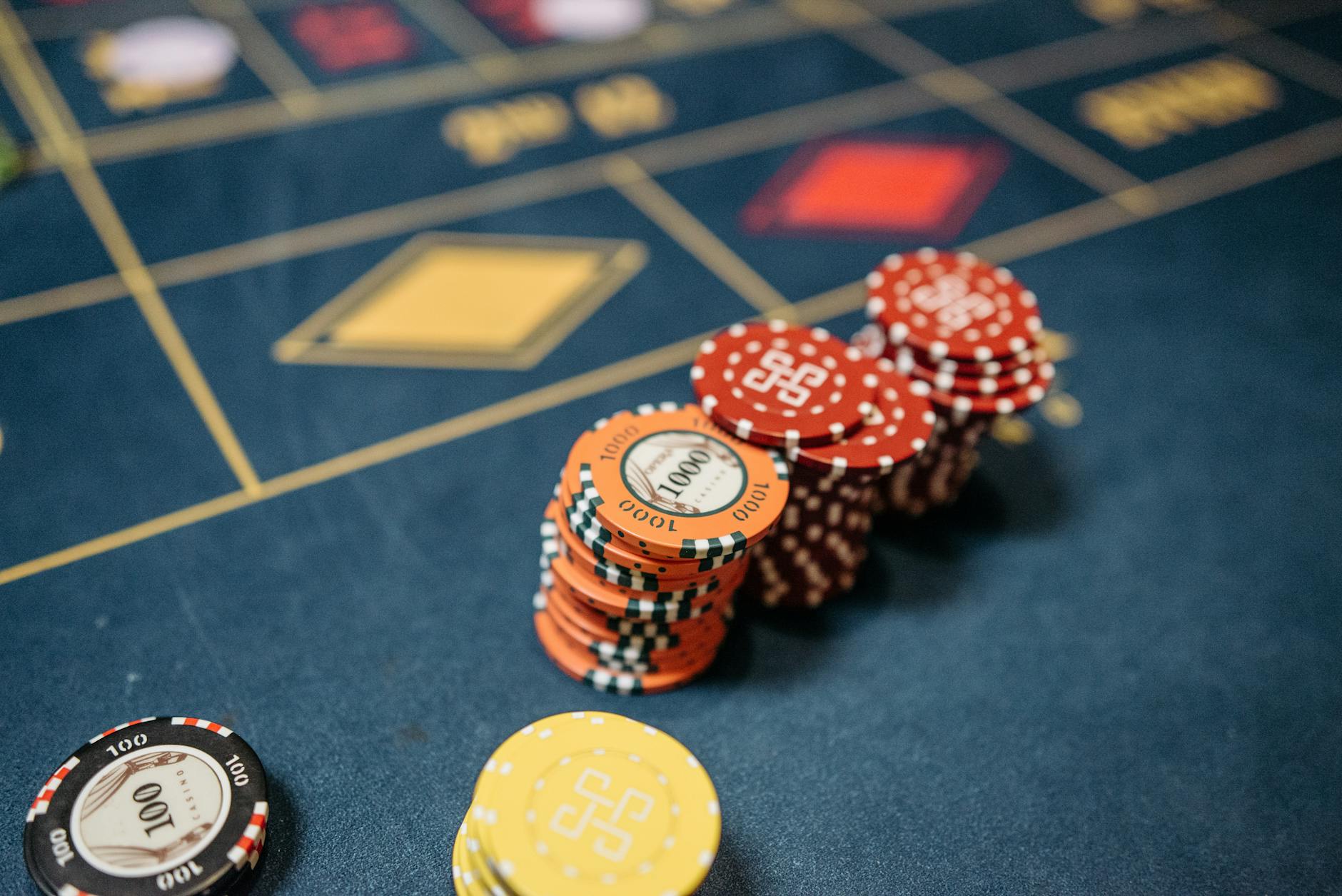
Photo by Pavel Danilyuk on Pexels
The bridge I use: after a demo session, I test title spins with the smallest stake available — roughly S$5–S$10 for 80–100 rounds — before sizing up. This small-stakes bridge lets the emotional transition happen in a controlled way. MBA66's instant SGD deposit and withdrawal rail makes this practical rather than theoretical: you can run a disciplined S$10 session, assess the game's real-money rhythm, and pull out without committing a large bankroll.
Slot Library Tour: Which Games Actually Bridge Well
After demo testing across the MBA66 slot library — Pragmatic Play, JILI, Nextspin, Fa Chai, and Spade Gaming — a pattern emerges in which titles convert well real money versus which ones mislead in demo mode.
High-volatility titles with rare bonus triggers tend to feel worse in demo because engagement seeding doesn't carry over to real-money play the same way. Medium-volatility games that deliver regular small wins translate more reliably. Games with consistent hit frequency across 80–100 spins — regardless of whether you won big — tend to reflect real-money behavior accurately.
Photo by ClickerHappy on Pexels
The slot library tour angle is useful here: don't just demo one title. Spend time in the lobby, cycle through 3–4 from the same provider family, and compare base-game behavior before deciding where to commit SGD. MBA66's integrated provider access makes this efficient — you're not switching between platforms to cross-reference.
Common Myths Singapore Players Still Carry
Myth: The casino can change payout rates whenever it wants.
Reality: No. The RNG is provider-licensed and auditable. Operators running offshore under credible permits cannot adjust per-game math unilaterally.
Myth: Big wins in demo mean the real version is "due."
Reality: Each spin is independent. Demo wins and demo losses are data, not predictions.
Myth: Live dealer games are safer than slots because a human is dealing.
Reality: All outcomes — card dealing, roulette, even live dealer — are RNG-driven. The "human" is visual; the math is algorithmic. Evolution and other major studios behind MBA66's live tables use the same randomization standards as the slot engine.
Credibility Check Before You Commit Real SGD
The question isn't really "are the games fair" — it's "is this platform credible." For Singapore players, a practical checklist before depositing:
- Licensing jurisdiction — Isle of Man and Kahnawake permits indicate regulatory oversight, not just a website template
- Provider partnerships — Evolution, Pragmatic Play, JILI, and Nextspin all conduct their own game certification
- Withdrawal transparency — platforms that publish processing timelines and prioritize standard amounts show operational confidence
- Support availability — 24/7 multilingual support in Chinese and English is a baseline credibility signal
MBA66 holds both permits and partners with the providers named above, which puts it ahead of most unlicensed alternatives in the Singapore market.

Photo by Pavel Danilyuk on Pexels
FAQ
Does the RNG work differently between demo slots and real-money play?
No. The Random Number Generator runs identically in both modes. MBA66, like all credible operators, does not control or adjust the RNG — that layer sits with the game providers. If you've been told demo slots are "rigged" or "looser" than the real version, the math says otherwise.
Why do real-money sessions feel different from demo even when the math is identical?
Your decisions change under real-money pressure. Loss-chasing, early bonus-bait commits, and emotional bet sizing don't appear in demo because the stakes feel weightless. The house edge stays the same — your discipline doesn't. That's the only real variable when you convert well real money.
What is the house edge in slots, and does it change per session?
The house edge is a statistical average across millions of spins, typically 3–5% for slot games. It does not apply per-session — you can beat the edge in a single night or lose far more than the average. Over a large sample, the math converges. Over 100 spins, anything happens.
Thank you for reading.
MBA66 · Curated Silence · 2026